


Publishing your first book is a major milestone. You invest time, effort, and creativity into your manuscript, and finally, you are ready to share it with readers. But once you reach that point, uncertainty often begins to take over.
You might start wondering if readers will actually buy your book, or if you made mistakes during the process, or even if all your effort will pay off.
These concerns are completely normal. Many authors go through the same experience. The truth is, success in self-publishing does not depend only on writing a book. It depends on making the right decisions before and after publishing.
If you are preparing to publish or struggling with low sales, understanding common mistakes can help you avoid setbacks and improve your results.
Below are five of the most common mistakes self-publishing authors make, along with practical ways to fix them.
1. Writing Without a Clear Target Audience
One of the biggest mistakes authors make is trying to write for everyone. While it may seem appealing to reach a broad audience, this approach often weakens your message and reduces your book’s impact.

The Mistake
Writing a book without a clearly defined audience leads to content that lacks direction and connection.
The Fix
Identify your ideal reader before you begin writing. Think about their interests, needs, and expectations. Define your market, then narrow it down to a specific audience, and finally focus on how your book solves their problem or delivers value.
When your content speaks directly to a specific group, readers are more likely to connect with it, leave positive reviews, and recommend it to others.
2. Skipping Professional Editing
Many first-time authors avoid professional editing due to cost concerns. Instead, they rely on self-editing or feedback from friends and family. While this may seem sufficient, it often results in missed errors and reduced quality.
The Mistake
Publishing a book without proper editing can lead to poor readability, negative reviews, and low reader retention.
The Fix
Invest in at least one round of professional editing. If the budget is limited, you can combine editing tools with human feedback, but a professional editor will significantly improve clarity, structure, and overall quality.
A well-edited book keeps readers engaged, increases completion rates, and improves the chances of receiving positive reviews.

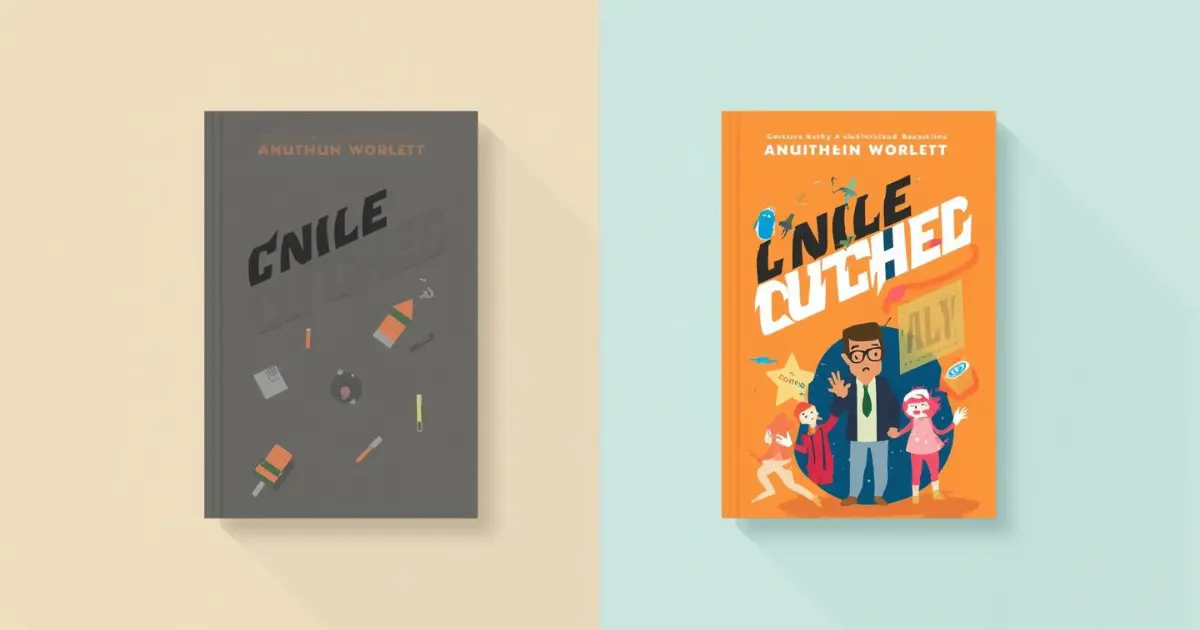
3. Using a Weak Book Cover Design
Your book cover is the first impression readers have of your work. Even if your content is excellent, a poorly designed cover can prevent people from clicking or purchasing your book.
The Mistake
Designing your own cover without proper design skills often results in a low-quality appearance that does not stand out.
The Fix
Work with a professional designer or use high-quality templates that align with your genre. A strong cover should clearly communicate the theme of your book and attract your target audience.
A compelling cover increases visibility and builds trust with potential readers.
4. Ignoring Marketing Until After Publishing
Many authors focus entirely on writing and only think about marketing once the book is published. This approach often leads to a slow or unsuccessful launch.
The Mistake
Delaying marketing efforts until after publication limits your ability to build momentum and reach readers effectively.
The Fix
Start marketing early. Build an audience while writing your book through social media, email lists, or content sharing. Engage with potential readers and create anticipation before your launch.
Early marketing helps generate initial sales, which are critical for visibility on platforms like Amazon.

5. Pricing the Book Incorrectly
Pricing plays a crucial role in attracting readers, especially for new authors without an established audience.
The Mistake
Setting a high price for a book when readers are unfamiliar with your work can reduce sales significantly.
The Fix
Research similar books in your genre and choose a competitive price. For new authors, lower pricing can encourage impulse purchases and help build initial traction.
A lower price may result in smaller profit per sale, but it increases exposure, reader engagement, and long-term growth.
Key Action Steps for Authors
If you want to improve your chances of success, focus on these three essential actions:
Define your ideal reader before continuing your writing process
Invest in quality editing and professional cover design
Begin marketing your book as early as possible
Final Thoughts
Success in self-publishing does not happen by chance. It comes from making informed decisions and avoiding common mistakes that can hold your book back. By focusing on your target audience, investing in quality editing, and using professional book publishing services, you position your book for long-term growth.
A strong cover, the right pricing strategy, and early promotion are all essential parts of a successful launch. Whether you are working with a self-publishing company in Philadelphia or exploring book publishing services in the USA, the goal remains the same. Create a high-quality book and present it professionally to your readers.
If you take the time to apply these strategies and use the right book marketing services for authors, you can build momentum, increase visibility, and grow your readership over time. Self-publishing is a journey, and with the right approach, it can lead to lasting success.