Publishing Tips
February 9, 2026
7 Writing Habits for Professional Book Publishing Success
Sydney Bee
Author
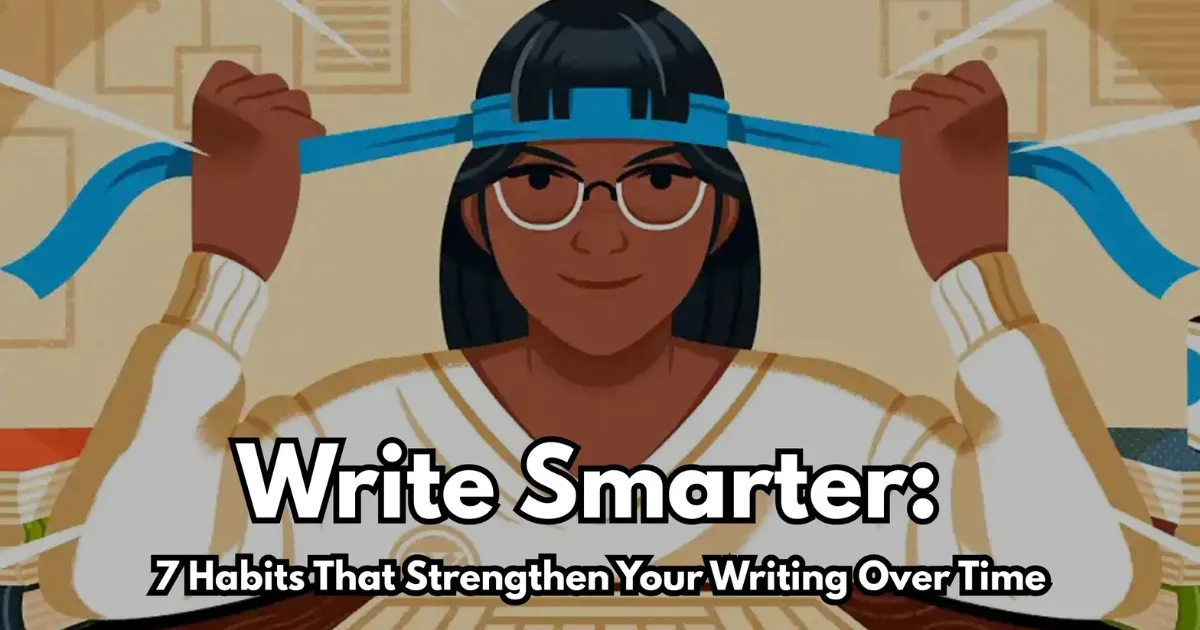
Writing skill is built, not discovered. Much like physical training, improvement does not come from occasional bursts of effort, but from consistent, intentional practice. Writers who progress are rarely the most talented in the room. They are the ones who show up regularly, reflect on their work, and refine their process.For authors aiming to work with a book editing and design company in the USA, or those exploring professional book publishing services, strong writing habits form the foundation of a successful publishing journey.In this article, I will walk through seven habits that steadily improve writing ability. Each section explains not only what to do, but why it works, followed by practical exercises you can use immediately, especially useful for writers planning to publish your book in the USA through a self-publishing company or a Philadelphia book publishing agency.1. Treat writing as a daily responsibilityMost writers know they should write more. Fewer actually do it consistently. The difference is not motivation, but commitment.When writing is treated as optional, it becomes easy to postpone. When it is treated as a responsibility, like work or study, it gets done even on difficult days. Consistency matters more than mood.Professional writers do not wait to feel inspired. They write first and let clarity follow.Writing every day does not mean producing perfect work. It means maintaining contact with the page so that momentum is never lost.✍️ Try thisSet a fixed writing time and protect it. Even 20 minutes a day is enough to create long-term progress if you show up consistently.Q: Why is consistency more important than writing long sessions?Consistency builds mental stamina. Short, frequent sessions train your brain to access ideas faster and reduce resistance, making writing feel less daunting over time.2. Read with intention, not passivityReading widely improves writing, but only if it is done attentively. Passive reading entertains. Intentional reading teaches.When you read with a writer’s eye, you begin to notice structure, pacing, tone, and decision-making. You start to ask why certain scenes hold your attention and others do not.This habit gradually reshapes your instincts.✍️ Try thisChoose a chapter you admire and analyze it. Note how it opens, where tension appears, and how it ends. Do not focus on what happens. Focus on how it is written.Q: Can reading alone make someone a better writer?Reading provides input, but improvement comes from combining reading with practice. Writing applies what reading teaches.3. Use short writing to sharpen controlLarge projects develop endurance. Short writing develops precision.When you work with limited word counts, every sentence carries weight. This forces you to make deliberate choices about language, imagery, and pacing.Short writing also removes pressure. It is easier to experiment when the commitment is small.✍️ Try thisWrite a complete scene in 600 words. Include a clear emotional shift by the end.Q: How does short writing help novelists?It improves sentence-level control and pacing, which strengthens longer narratives and reduces filler.4. Learn writing principles before challenging themAdvice like "show, don’t tell" or "follow structure" is often misunderstood as a restriction. In reality, these principles exist to help writers communicate clearly with readers.Understanding them gives you tools. Ignoring them without understanding creates confusion.Once you understand why a principle exists, you can break it intentionally and effectively.✍️ Try thisWrite a paragraph strictly following one writing rule. Then rewrite it by deliberately breaking that rule and observe the difference.5. Know the purpose of what you are writingEvery piece of writing has a goal. Without clarity of purpose, writing drifts.You do not need a detailed outline, but you should know what the reader is meant to gain from the piece. This awareness keeps writing focused and efficient.✍️ Try thisBefore starting a session, write one sentence that answers: what should the reader understand or feel by the end?Q: Does planning reduce creativity?For most writers, light planning increases freedom by providing direction without limiting discovery.6. Separate drafting from editingMany writers struggle because they attempt to perfect sentences while drafting. This slows progress and increases self-doubt.Drafting is exploratory. Editing is analytical. Mixing the two disrupts both.Writing improves when you allow imperfection in early drafts and save judgment for later.✍️ Try thisDraft without rereading. Make notes instead of corrections and return to them during revision.7. Seek feedback with a growth mindsetImprovement accelerates when writers engage with thoughtful critique. The key is choosing the right feedback and interpreting it correctly.Good feedback focuses on clarity, engagement, and reader experience, not personal taste.Patterns matter more than individual opinions.✍️ Try thisAsk beta readers where they felt confused, bored, or emotionally engaged. Use repeated responses as revision signals.Q: How should writers handle conflicting feedback?Look for overlap. Conflicting opinions often point to areas that need clarity rather than immediate change.Final thoughtsWriting improves gradually, often invisibly. Progress becomes clear only when you look back.Save something you write today and revisit it months later. You may cringe, but you will also recognize growth. That recognition is proof that the habits are working.
Ready to Publish Your Book?
Let Bookslake's expert team guide you through every step of your publishing journey. From editing to marketing, we're here to help you succeed.
Get Started TodayArticle Tags
#book editing and design company in USA#author marketing and publishing solutions#Self-Publishing Company Philadelphia#Book Publishing Services USA#publish your book in the USA#professional book publishing services#book marketing services for authors#professional book publishing#Philadelphia book publishing agency#Self-Publishing Services for Authors
Sydney Bee
Author
I am an author and publishing professional with hands-on experience in ebook publishing, editing, and marketing. Through my work, I help writers transform ideas into professionally published books and reach the right audience with strategic publishing solutions.
Need Expert Help?
Get personalized guidance from our publishing experts. Schedule a free consultation today.
Contact Us