
Blog
October 8, 2026
How to Find Beta Readers for Your Book Before Publishing
Sydney Bee
Author
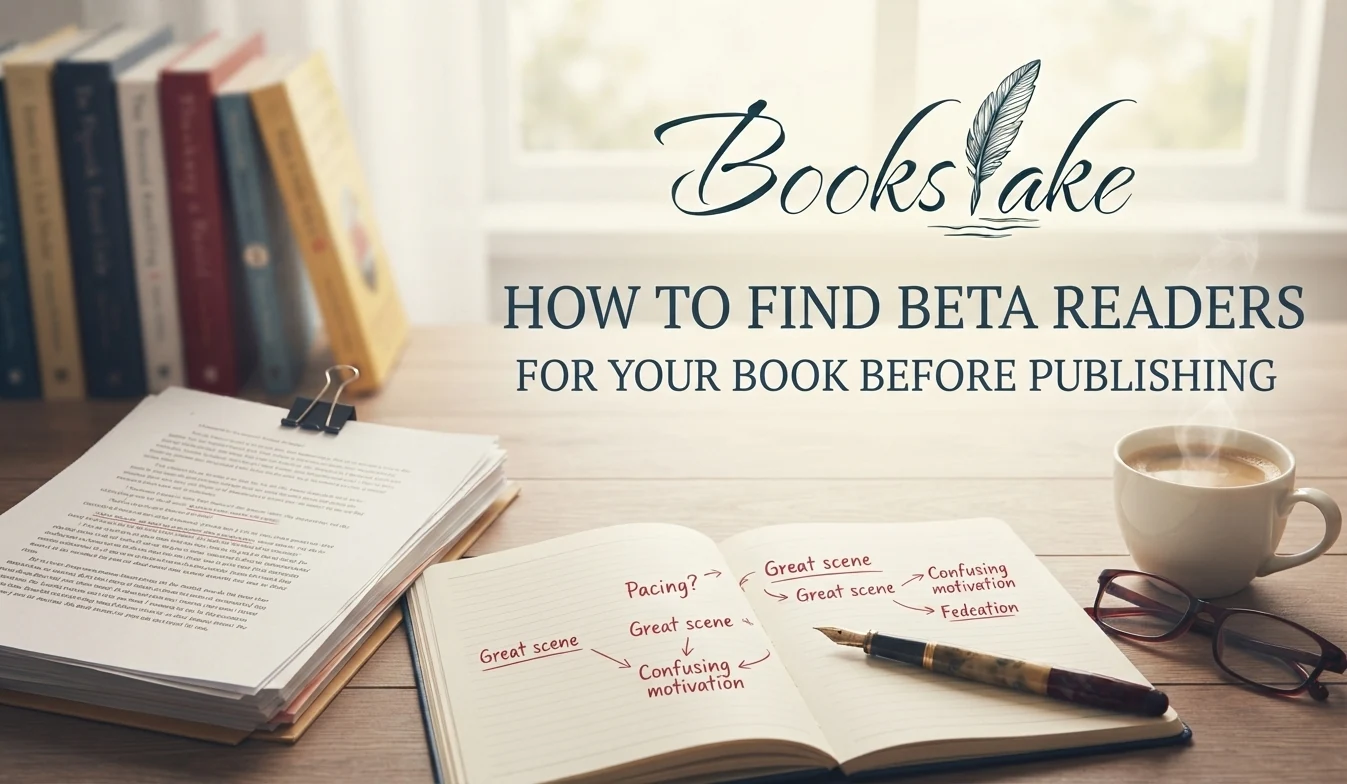
Finishing a manuscript does not always mean it is ready to publish. After reading the same chapters many times, authors can become too familiar with their own work. A section that feels clear to you may confuse a new reader, while a chapter you enjoyed writing may feel slow to someone else.This is where beta readers can help. They read your manuscript before publication and provide feedback based on their experience as readers. Their comments can reveal issues with pacing, structure, character development, clarity, or the overall reading experience.The key is finding readers who fit your audience and knowing what to ask them.What Is a Beta Reader?A beta reader reads a book before publication and gives the author honest feedback from a reader's perspective. Unlike an editor or proofreader, a beta reader is mainly concerned with how the book feels and works as a reading experience.An editor may examine structure, writing, clarity, and consistency, while a proofreader focuses on grammar, punctuation, spelling, and formatting. A beta reader might instead tell you that a chapter feels slow, a character's decision does not make sense, or the ending feels rushed.For nonfiction, beta readers can point out unclear explanations, repetitive information, or sections that are difficult to follow.Why Use Beta Readers Before Publishing?Authors are often too close to their own work to spot every problem. You already know the story, characters, arguments, and ending, so it is easy to overlook places where a first-time reader may struggle.Beta readers give you an outside perspective while you still have time to make changes.They can help identify:Slow or rushed sectionsConfusing explanationsWeak character developmentRepetitive contentStructural problemsInconsistent detailsAn unsatisfying endingFor example, you may believe a mystery has enough suspense, but several beta readers might say they guessed the reveal too early. That feedback gives you an opportunity to improve the story before publication.How to Find Beta Readers for Your BookThere are several ways to find beta readers for your book. Start with people who genuinely read the type of book you have written.Ask Friends, Family, and Your Existing NetworkFriends and family can be useful if they already read your genre. However, simply knowing you does not make someone a suitable beta reader.Someone who rarely reads romance may not give useful feedback on a romance novel. Likewise, a person who does not read business books may not be the right reader for a business guide.If you ask someone you know, explain that you want honest feedback, including criticism. The goal is to find problems, not just receive praise.Join Author and Reader CommunitiesWriting groups, book clubs, online communities, and genre-specific groups can connect you with potential beta readers.Genre knowledge can make feedback more useful. A thriller reader understands expectations around suspense and pacing, while a romance reader may have a better sense of whether a relationship develops naturally.When reaching out, briefly explain the genre, premise, approximate word count, and type of feedback you need. Ask before sending the full manuscript.Use Beta Reading PlatformsDedicated beta-reading websites can connect authors with readers interested in reviewing unpublished manuscripts.Before choosing a platform, look at the types of readers available and how feedback is provided. A large platform is not automatically better. A smaller group of readers who match your target audience may provide more useful feedback.Reach Out to Readers in Your GenreYou can also approach people who regularly read books similar to yours.If you have written a psychological thriller, look for readers who enjoy that genre. If your book is about personal finance, find readers interested in that subject.Keep your request simple. Explain what the book is about, what kind of feedback you need, and when you would like it. Respect their time and never assume they will read the manuscript.How to Choose the Right Beta ReadersThe best beta reader is not necessarily the person who gives the most positive feedback. You need someone who can identify problems and explain why something did not work for them.Look for readers who:Regularly read your genreMatch your target audienceGive constructive feedbackCan meet your deadlineAre comfortable pointing out weaknessesHaving readers with different perspectives can also help. One person may notice character problems, while another focuses on pacing, clarity, or structure.How Many Beta Readers Do You Need?You do not need dozens of people to read your manuscript. Three to eight thoughtful beta readers can provide useful feedback for many authors.The goal is not to count votes. If one reader dislikes a chapter, that does not automatically mean you need to rewrite it. If several readers identify the same problem independently, however, it deserves closer attention.Look for patterns rather than trying to satisfy every individual preference.What Should You Ask Beta Readers?Avoid sending your manuscript with only, “Tell me what you think.” Specific questions usually produce more useful book feedback.For fiction, ask about:Story structure and pacingCharacter developmentDialogueConfusing scenesPlot consistencyStrong and weak sectionsThe endingFor nonfiction, ask whether the information is clear, useful, well organized, and practical.You can also ask:Where did you feel most engaged?Was anything confusing?Did the pacing feel too slow or too fast?Which section stood out to you?Did anything feel repetitive?What was the strongest part?What would you change?Did the ending feel satisfying?These questions give readers direction without telling them what they should think.What to Do With Beta Reader FeedbackDo not start rewriting after receiving the first response. Read all the feedback together and look for repeated concerns.One reader may dislike something because of personal preference. If several readers struggle with the same chapter, there may be a genuine problem.Separate personal taste from issues that affect the wider reading experience. Once you identify recurring problems, revise the manuscript accordingly.After major revisions, professional book editing and proofreading can help prepare the manuscript for publication.What Comes After Beta Reading?Beta reading is only one stage of preparing a book for publishing. After revisions, you may need professional editing, proofreading, formatting, cover design, or book illustration, depending on the project.It is also worth planning book marketing before launch. Understanding your target readers early can help shape your positioning and promotional strategy.For authors who need support with book publishing, book marketing, or book illustration, Bookslake can help with the next stages of preparing and promoting a finished manuscript.ConclusionBeta readers give authors an outside perspective before a book reaches the public. The goal is not to collect as many opinions as possible but to find readers who fit your target audience and can provide honest, useful feedback.Choose your readers carefully, ask specific questions, and look for patterns in their responses. Their feedback can help you identify problems with pacing, clarity, characters, structure, or the ending before publication.Once the manuscript is stronger, you can move forward with editing, publishing, and marketing with greater confidence.Frequently Asked Questions About Beta ReadersWhen should I find beta readers for my book?Find beta readers after completing a solid draft and making your own revisions. The manuscript does not need to be perfect, but it should be developed enough for readers to evaluate the story, structure, or information.How many beta readers should I have?Three to eight readers is a practical starting point for many authors. A smaller group is easier to manage while still giving you enough feedback to identify common problems.Should I pay beta readers?Not always. Some readers volunteer because they enjoy books and like helping authors, while professional beta readers may charge for detailed feedback. If you pay someone, agree on the type of feedback and deadline beforehand.What if beta readers disagree?That is normal. You do not have to follow every suggestion. Look for patterns and consider whether the feedback points to a genuine problem or simply reflects personal preference.Can beta readers replace professional editing?No. Beta readers focus on the reader's experience, while professional editors examine the manuscript more closely for structure, clarity, language, consistency, and other issues. Both can be useful at different stages.
Ready to Publish Your Book?
Let Bookslake's expert team guide you through every step of your publishing journey. From editing to marketing, we're here to help you succeed.
Get Started TodayArticle Tags
#Book Publishing#Book Marketing#Book Illustration#How to Find Beta Readers for Your Book Before Publishing
Sydney Bee
Author
I am an author and publishing professional with hands-on experience in ebook publishing, editing, and marketing. Through my work, I help writers transform ideas into professionally published books and reach the right audience with strategic publishing solutions.
Need Expert Help?
Get personalized guidance from our publishing experts. Schedule a free consultation today.
Contact Us