
Publishing Tips
October 13, 2026
How to Turn a Children's Story Manuscript Into an Illustrated Book
Sydney Bee
Author
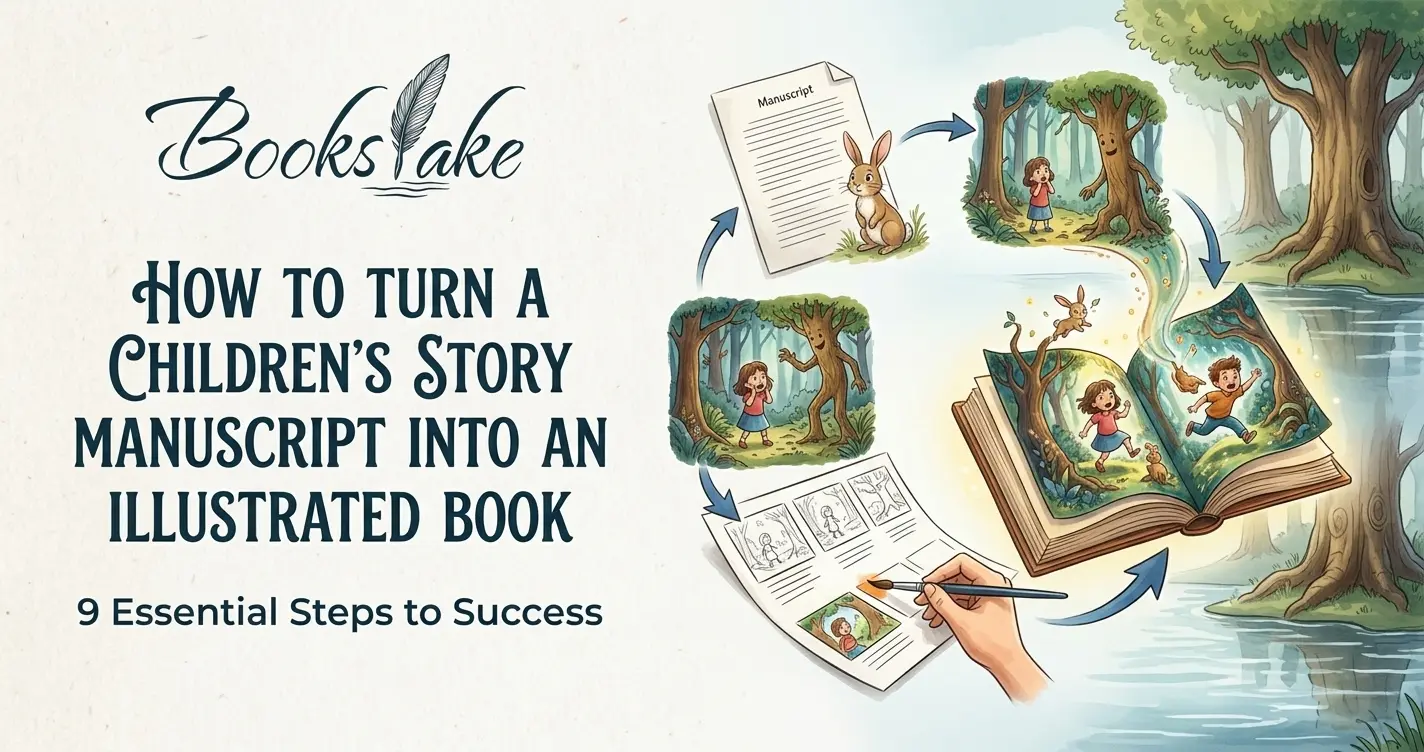
Turning a children's story manuscript into an illustrated book involves more than adding pictures to written pages. The story, characters, illustrations, and layout must work together to create an enjoyable reading experience. Whether you're writing about a curious rabbit or a child exploring a magical forest, thoughtful planning helps turn your manuscript into a finished book ready for publication.1. Prepare Your Children's Story ManuscriptFinalize your story before commissioning illustrations. Check the plot, character development, dialogue, and ending. Remove unnecessary descriptions, correct grammatical errors, and make sure the language suits your intended readers.Age group matters when preparing a children's manuscript. Younger children generally need shorter sentences and familiar words, while older readers can follow more detailed plots and dialogue.Read the story aloud to identify awkward sentences or passages that interrupt the flow. Also, look for descriptions that illustrations could communicate more effectively. For example, a picture of a frightened character hiding behind a chair may convey the emotion more clearly than several sentences explaining it.2. Plan Where Illustrations Will AppearIdentify the scenes that benefit most from visual storytelling. These might include a character's first appearance, an unexpected discovery, a major problem, or the story's ending.Decide which moments need full-page illustrations and which can share space with the text. A dramatic reveal may deserve a double-page spread, while a short conversation might need only a smaller image.Consider what the artwork can add beyond the written words. If a child is searching for a missing toy, an illustration could show the toy partially hidden beneath a bed. Details like these encourage children to look closely at each page.3. Create a Storyboard for Your Children's BookA storyboard maps the story across individual pages or double-page spreads. You can create one using rough sketches, boxes, or short descriptions of each scene.Arrange the main events in sequence and decide where the text and illustrations will appear. Check that the story moves naturally from one page to the next and that important moments receive enough space.Page turns can also build anticipation. For instance, ending a page just before revealing what a character finds inside a mysterious box gives young readers a reason to continue.Planning the sequence before commissioning finished artwork makes revisions easier and helps establish the book's overall structure.4. Choose an Illustration Style That Fits Your StoryThe illustration style should match the story's tone and intended audience. Watercolor artwork may suit a gentle bedtime story, while colorful cartoon illustrations can work well for a humorous adventure.Review illustrators' portfolios to compare their approaches to characters, expressions, backgrounds, and movement. Consider how the style will look across an entire book, not just in one impressive image.Consistency is essential. Characters should retain recognizable facial features, clothing, colors, and proportions throughout the story. Agreeing on a visual direction early helps maintain that consistency.5. Find and Work With a Children's Book IllustratorChoose an illustrator whose portfolio matches your story and creative direction. Before work begins, share the finalized manuscript, character descriptions, scene notes, and relevant visual references.Agree on the project scope, cost, deadlines, revision rounds, and delivery format. Clarify whether the agreement includes cover illustrations and confirm how you can use the artwork for printing, distribution, and promotion.Ask to review initial sketches before approving finished illustrations. This gives you an opportunity to correct character details, compositions, or scenes that do not match the manuscript.Provide specific feedback so the illustrator understands what needs changing. Clear communication throughout the project helps prevent unnecessary revisions.6. Develop Characters and Finalize the IllustrationsCharacter reference sheets help illustrators maintain consistent designs. These can include different angles, facial expressions, clothing details, and distinctive accessories.Review each illustration against the relevant passage in the manuscript. Check that characters appear in the correct settings, perform the intended actions, and express the right emotions.Once revisions are complete, approve the final artwork and confirm that all required files have been delivered. This creates a reliable foundation for the book's layout.7. Combine the Story and Illustrations Into a Book LayoutChoose a book size and orientation that suit the story and artwork. A landscape format may work well for wide scenes, while a portrait layout can suit taller compositions.Arrange the text and illustrations so that each page remains easy to read. Use readable fonts, consistent spacing, suitable margins, and clear contrast between text and background. Avoid placing important words over busy areas of an illustration.Check page order and leave sufficient space near the spine and trimmed edges. If you plan to publish both print and digital editions, review each format separately to ensure the layout works as intended.8. Prepare Your Illustrated Book for PublishingProofread the complete book after formatting. Check for spelling mistakes, missing words, awkward page breaks, inconsistent illustrations, and misplaced text.Follow the printer or publishing platform's specifications for image resolution, file formats, bleed, and cover dimensions. For standard print production, artwork is commonly prepared at 300 pixels per inch at its final size, but the printer's requirements should take priority.Design a cover that reflects the story and appeals to its target audience. Make sure the title is readable and the main artwork remains clear when displayed as a small online thumbnail.Review the final digital proof before approving publication. Correcting errors before printing can save time and avoid unnecessary costs.9. Common Mistakes to AvoidAvoid these common problems when creating an illustrated children's book:· Illustrating an unfinished manuscript: Story changes can require costly artwork revisions.· Choosing the wrong illustration style: Artwork should suit the story's mood and intended age group.· Crowding pages with text: Leave enough space for illustrations to contribute to the story.· Ignoring character consistency: Check recurring details across every scene.· Overlooking usage rights: Confirm how commissioned artwork can be used and distributed.· Skipping the final proof: Review the complete formatted book before publication.How Children's Book Illustration and Publishing Services Can HelpProducing a children's book requires coordination between writing, illustration, cover design, formatting, and publication preparation. Authors who lack the time or experience to manage these tasks independently may benefit from professional support.Bookslake offers book illustration and publishing-related services to help authors develop their manuscripts into finished books. Depending on your project, support with illustrations, cover design, and interior formatting can help bring the written story and visual presentation together.Before selecting a service, confirm the deliverables, revision policy, timeline, and artwork usage rights. Choosing services that match your needs helps keep the production process organized.Frequently Asked QuestionsHow do I turn my children's story into an illustrated book?Finalize your manuscript, plan the illustrations, create a storyboard, and work with an illustrator to develop the artwork. Combine the finished illustrations and text in a suitable layout, then proofread the files before publication.Should I hire an illustrator before or after finishing my manuscript?Usually, hire an illustrator after finalizing the manuscript. This reduces the likelihood of paying for artwork that needs to be changed because of story revisions.How many illustrations does a children's picture book need?The number depends on the book's length, target age group, and storytelling style. Plan illustrations around important scenes rather than following a fixed number.What should I provide to a children's book illustrator?Provide the manuscript, character descriptions, target age group, scene notes, visual references, and preferred book dimensions if known.Can a publishing service help me finish my book?Yes. Depending on the provider, services may include illustration, cover design, interior formatting, and preparation of files for publication. Confirm which services are included before starting.ConclusionTurning a children's story manuscript into an illustrated book requires careful planning, consistent artwork, and a well-formatted layout. Finalize the story first, organize the scenes, review the illustrations, and check the finished files before publication.If you need assistance with illustration or book production, explore Bookslake's illustration and publishing services to find support suited to your manuscript.
Ready to Publish Your Book?
Let Bookslake's expert team guide you through every step of your publishing journey. From editing to marketing, we're here to help you succeed.
Get Started TodayArticle Tags
#Illustrated Book#book publishing#book marketing
Sydney Bee
Author
I am an author and publishing professional with hands-on experience in ebook publishing, editing, and marketing. Through my work, I help writers transform ideas into professionally published books and reach the right audience with strategic publishing solutions.
Need Expert Help?
Get personalized guidance from our publishing experts. Schedule a free consultation today.
Contact Us