A reader finds your book in an online bookstore. The cover catches their attention, but before making a purchase, they want to know what the book is about. They turn to its description to decide whether it is worth reading.
That description is called a book blurb.
For first-time authors, writing a blurb can be challenging. Summarizing a complete manuscript in a few paragraphs requires choosing the right details without giving too much away. A good blurb introduces the book, highlights its appeal, and gives readers a reason to turn the first page.
This guide explains how book blurbs work, includes examples from different genres, and shares practical tips for writing an effective description.
What Is a Book Blurb?
A book blurb is a short promotional description that introduces a book to potential readers. It highlights the main storyline, subject, or central idea and gives readers an idea of what to expect.
Blurbs commonly appear on the back cover of printed books and in online bookstore listings. Authors also use them on their websites and marketing materials.
A blurb is different from a complete summary. For example, a mystery novel might introduce a detective investigating a disappearance without revealing who is responsible. The goal is to create curiosity while keeping important story details hidden.
Why Is a Book Blurb Important for Authors?
A book cover can attract attention, but its description helps readers decide whether the content matches their interests. This is particularly important for first-time authors who have not yet built a regular readership.
An effective book blurb serves several purposes:
Creates a first impression: An interesting opening encourages readers to continue.
Explains the book: Readers quickly understand its subject or storyline.
Builds curiosity: It introduces important details without revealing the ending.
Supports marketing: Authors can use the description across bookstore listings, websites, and promotional campaigns.
A clear description also helps position a book for the audience most likely to enjoy it.
What Should a Good Book Blurb Include?
Although writing styles vary between genres, most effective blurbs contain a few essential elements.
1. An Attention-Grabbing Opening
Start with a statement that gives readers a reason to continue. Instead of writing, "This book is about love and friendship," try something more specific:
"Emma thought leaving her hometown meant leaving her past behind. She was wrong."
The second example introduces a situation and raises an immediate question.
2. The Main Character or Subject
Introduce the main character in fiction or explain the central subject in nonfiction. Include only the information readers need to understand the book.
3. The Main Conflict or Idea
Highlight what makes the book interesting. This could be a difficult decision, an unexpected discovery, or a problem that the book helps readers solve.
4. A Reason to Keep Reading
Leave something unanswered. A question, challenge, or unexpected situation can encourage readers to find out more.
Book Blurb Examples for Different Genres
A book blurb should reflect its genre and intended audience. These original examples show how the approach changes between fiction and nonfiction.
1. Fiction Book Blurb Example
Title: The Last Letter Home
After years away, Daniel returns to his hometown and discovers a letter hidden inside his father's desk. What he reads changes everything he believed about his childhood. As he searches for answers, people he once trusted begin acting strangely.
Some secrets are better left untouched. But Daniel is not ready to walk away.
Why It Works: It introduces the main character, establishes a mystery, and leaves readers wondering what the letter contains.
2. Romance Book Blurb Example
Title: When We Meet Again
Maya never expected to see Alex again after their painful goodbye five years ago. Now they are working in the same city, and old feelings are beginning to return. But the reasons they separated have not disappeared.
Can they find another chance at love?
Why It Works: It focuses on emotions, past relationships, and the possibility of a second chance.
3. Nonfiction Book Blurb Example
Title: Building Better Habits
Busy schedules and everyday distractions can make it difficult to maintain good habits. This book explores practical ways to manage time, create realistic routines, and stay focused on personal goals without changing everything overnight.
Why It Works: It identifies a common problem and explains what readers can gain from the book.
How to Write a Book Blurb Step by Step
Writing a book blurb becomes easier when you focus on the most important parts of your manuscript.
1. Identify Your Target Readers
Think about who would enjoy your book. A romance novel, business guide, and children's story all have different audiences. Understanding your readers helps you choose appropriate language and highlight relevant details.
2. Define the Main Idea
Explain your book in two or three sentences. Identify its main character, central conflict, or primary subject before adding supporting details.
3. Choose Interesting Details
You do not need to mention every chapter or character. Select the details that make your book different and give readers a reason to pay attention.
4. Keep the Language Simple
Avoid complicated sentences, technical language, and unnecessary descriptions. Write as if you are introducing your book to someone who has never heard of it.
5. Edit Your Final Draft
Read the description separately from your manuscript. Remove repeated ideas, correct grammatical mistakes, and check whether the opening and closing create a clear message.
How Long Should a Book Blurb Be?
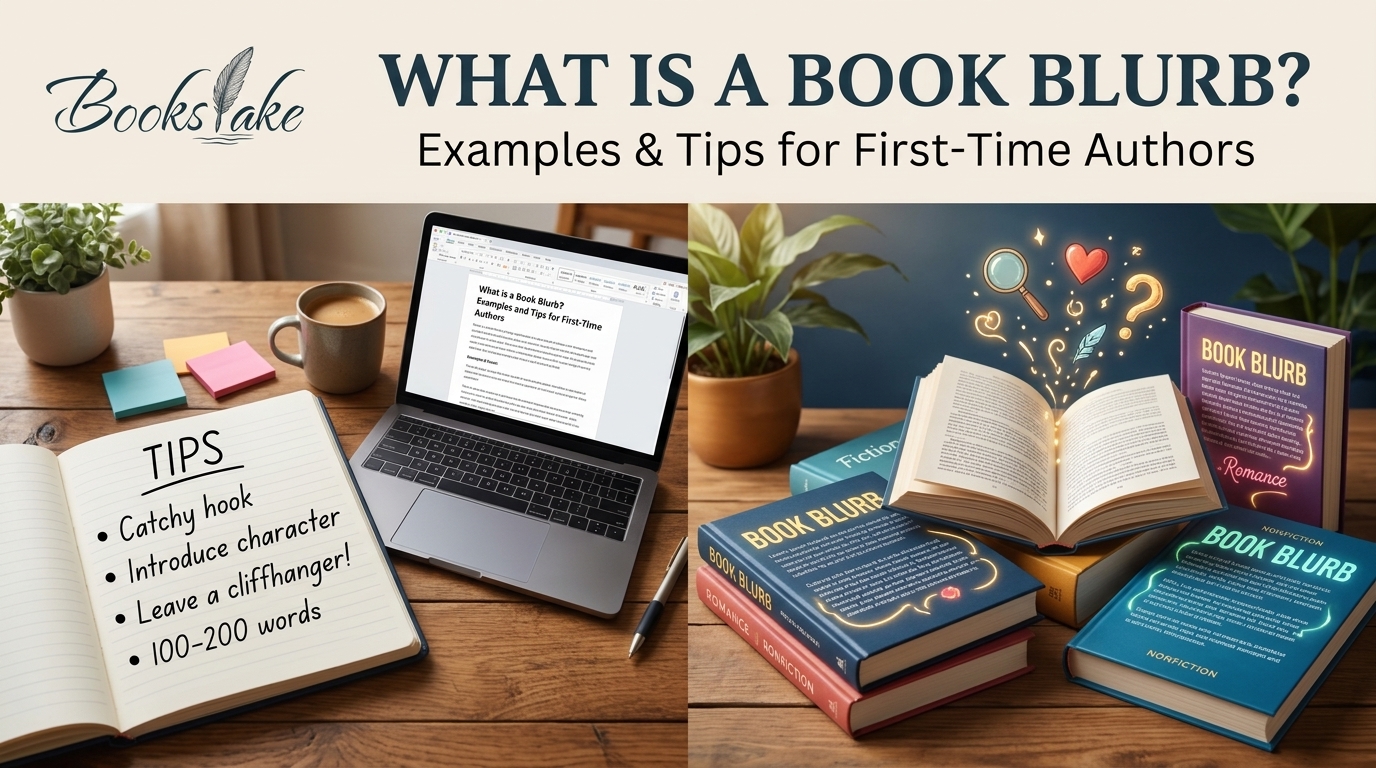
Most book blurbs contain around 100–200 words, although the ideal length depends on the genre and publishing platform.
Short descriptions of 50–100 words can work for promotional materials, while longer descriptions of 200–300 words may provide useful context for certain books.
For first-time authors, 150–200 words is a practical starting point. Focus on explaining the book clearly rather than reaching an exact word count.
Common Book Blurb Writing Mistakes to Avoid
Even an interesting book can have an ineffective description if the writing misses important details. Avoid these common mistakes:
Revealing too much: Keep major plot twists and the ending inside the book.
Using generic descriptions: Replace phrases such as "an unforgettable story" with specific details.
Adding unnecessary background: Focus on the central idea rather than explaining every character or chapter.
Writing complicated sentences: Keep the description clear and easy to read.
Ignoring the audience: Use language that matches the expectations of your intended readers.
Book Blurb vs. Book Synopsis: What's the Difference?
A book blurb and a book synopsis both describe a manuscript, but they serve different purposes.
What Is a Book Blurb?
A book blurb is a short promotional description written for potential readers. It appears on book covers and online listings, highlighting the main appeal without revealing the complete story.
What Is a Book Synopsis?
A book synopsis provides a detailed overview, usually for publishers, literary agents, or editorial teams. It explains the main events and generally includes the ending.
Authors may need both documents when preparing a manuscript for publication.
How Professional Book Publishing and Marketing Can Help
Writing a manuscript is only one part of publishing. Editing, cover design, presentation, and marketing also influence how readers perceive a book.
Professional support can help improve the quality of a book's description and maintain consistent messaging across bookstore listings and promotional materials.
Bookslake offers book editing, ghostwriting, illustration, audiobook narration, and book marketing services. Authors can explore these services when preparing a manuscript for publication or planning how to reach potential readers.
Final Thoughts
A good book blurb does not need complicated language or exaggerated promises. It needs a clear opening, an interesting central idea, and enough information to make readers want to know more.
Take time to write, review, and refine your description before publishing. If you need help with editing, publishing, or promoting your manuscript, visit Bookslake to explore its services for authors.