Publishing Tips
November 2, 2026
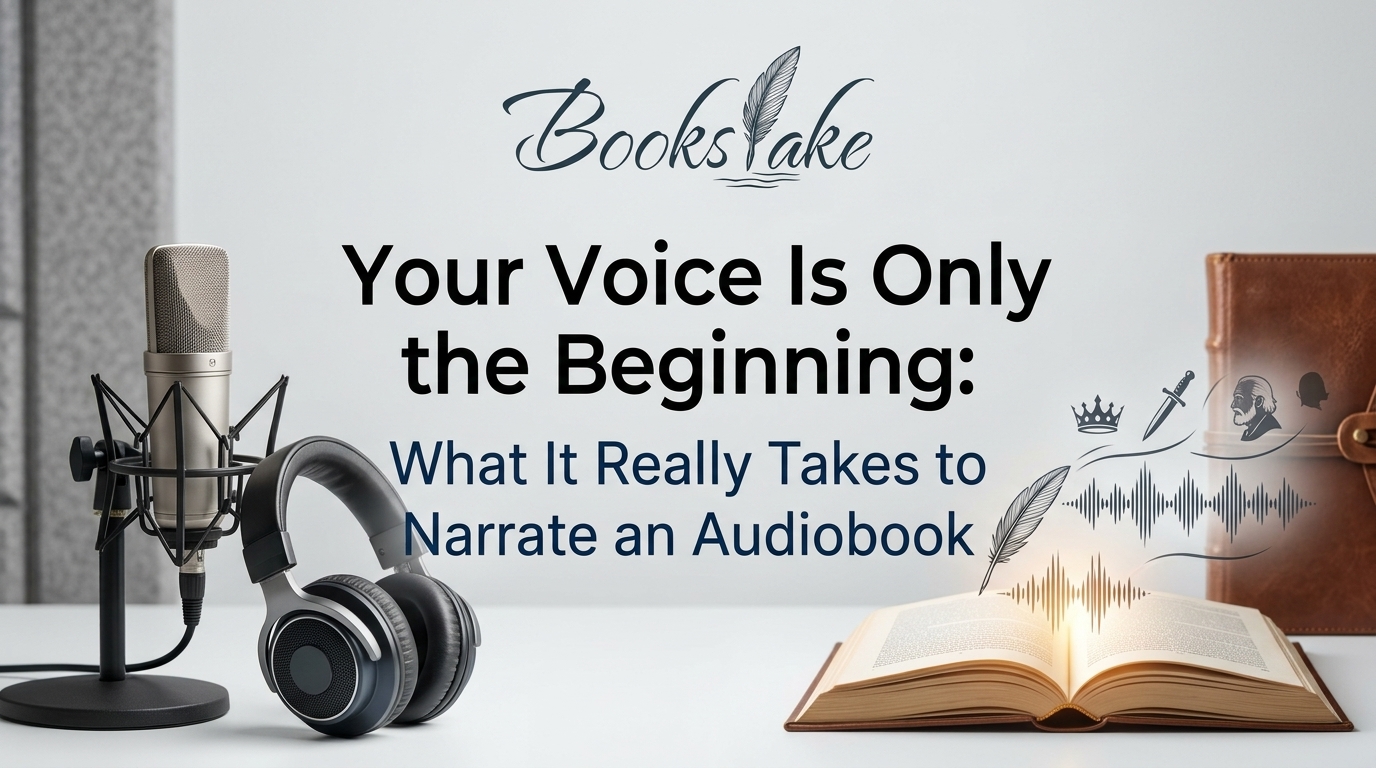
Your Voice Is Only the Beginning: What It Really Takes to Narrate an Audiobook
Sydney Bee
Author
A good audiobook does more than turn written words into spoken ones. The narrator sets the mood, gives characters their voices, and helps listeners follow the story without losing interest.Imagine listening to a novel during your daily commute. The writing is interesting, but the narrator reads every sentence in the same tone. Conversations sound flat, emotional moments lack impact, and the story becomes difficult to follow.Now imagine hearing the same book from someone who understands when to pause, how to express emotion, and when to adjust their delivery. The experience feels completely different.That's what makes audiobook narration a skill rather than simply reading aloud. A pleasant voice helps, but professional narration also requires storytelling, preparation, vocal control, and consistent recording quality.Why Having a Good Voice Isn't Enough for Audiobook NarrationA naturally clear voice is a good starting point, but it doesn't guarantee an engaging performance.Think about reading a story aloud. You might change your tone when a character asks a question or slow down during an important moment. These small changes help listeners understand what's happening and connect with the story.Audiobook narrators need the same ability throughout an entire book.A mystery novel requires a different delivery from a business guide or personal memoir. The narrator must understand the material and adjust their expression to match its tone.Clear pronunciation matters, but so do timing, emotion, and the ability to hold a listener's attention. Without these elements, even well-written content can sound dull.The Skills That Make an Audiobook Narrator Stand OutGood narration depends on several skills working together. A narrator must understand the story, control their voice, and maintain a consistent delivery.Storytelling and Emotional ExpressionEvery story has moments that require a particular tone. A funny conversation should sound natural, while a serious scene needs a more thoughtful delivery.The challenge is knowing how much emotion to add. Overacting can make characters sound artificial, while a flat delivery can take the meaning out of important scenes.A skilled narrator uses subtle changes in tone and expression to make dialogue believable without distracting from the writing.Pacing, Pauses, and PronunciationReading too quickly can make information difficult to follow. Reading too slowly can make an interesting chapter feel unnecessarily long.The pace should suit the material. An exciting scene may need quicker delivery, while an important explanation benefits from more time.Pauses also help listeners process information and follow conversations. Pronunciation deserves equal attention, particularly when a manuscript includes unfamiliar names, places, or technical terms.Maintaining Voice ConsistencyImagine a character speaking in a calm, low voice throughout the first few chapters, only to sound completely different later. That sudden change can interrupt the listening experience.Narrators need to maintain consistent character voices, volume, and speaking styles. Keeping notes about individual characters makes this easier, especially when recording a book over several sessions.What Goes Into Recording a Professional Audiobook?Good narration cannot compensate for poor recording quality. Background noise, echoes, and inconsistent volume can distract listeners even when the performance is excellent.A suitable recording environment is essential. A quiet room with controlled acoustics helps reduce unwanted sounds and echoes.The microphone matters, too, but expensive equipment alone won't produce professional audio. Proper placement, recording levels, and distance from the microphone all affect the final result.Once recording begins, chapters should be organized into manageable sections. This makes it easier to review mistakes and maintain consistent quality.The audiobook recording process also includes editing. Unwanted noises, repeated words, long pauses, and recording errors need attention before the audio is ready for listeners.How to Prepare a Book Before Audiobook NarrationPreparation can save considerable time during recording and editing.Before starting, the narrator should review the complete manuscript and understand its structure. This helps identify important scenes, character changes, and sections that need a different delivery.Authors can make the process easier by providing:A finalized manuscript with clear chapter divisions.A list of character names and difficult pronunciations.Notes about unfamiliar places, technical terms, and abbreviations.Instructions about character voices or storytelling style, where necessary.For example, a fantasy novel may contain several unusual character names. A pronunciation guide helps the narrator avoid guessing and keeps those names consistent throughout the recording.Common Audiobook Narration Mistakes That Affect Listening QualityEven experienced speakers can make mistakes when recording a complete book. Common problems include:Rushing through sentences: Fast narration makes important details harder to understand.Overdoing character voices: Forced accents can distract from the story.Ignoring punctuation: Poorly timed pauses make sentences sound confusing.Skipping preparation: Unfamiliar words and names interrupt recording sessions.Inconsistent audio: Changes in volume, microphone position, and background noise make chapters sound different.Regular practice, manuscript preparation, and audio checks can prevent many of these problems.Should Authors Narrate Their Own Books or Hire a Professional?Many authors consider narrating their own books because they understand the characters, message, and meaning behind every chapter.For memoirs and personal stories, hearing directly from the author can create a stronger connection with listeners.However, writing and narration require different abilities. An author may understand the emotion behind a passage but struggle to express it naturally through voice. Recording, editing, and maintaining consistent audio quality also require time and effort.Professional narration can be a better option for books with multiple characters, complex dialogue, or specific performance requirements.The decision depends on the author's confidence, available time, recording setup, and expectations for the finished audiobook.How Professional Audiobook Narration Brings a Book to LifeA written book allows readers to imagine how characters sound and how scenes unfold. An audiobook adds another element: the narrator's interpretation.The right delivery makes conversations easier to follow, gives characters distinct personalities, and helps listeners connect with the material. Clear recording and careful editing ensure that technical problems don't interrupt the experience.Authors who prefer not to manage the recording process themselves can seek professional assistance.Bookslake provides audiobook narration services to help authors turn their written work into an engaging listening experience. It's an option for writers who want to make their books accessible to audiences who prefer listening over reading.Final Thoughts: Great Audiobook Narration Is More Than Just ReadingA good audiobook takes more than a clear speaking voice. It requires storytelling, preparation, consistent delivery, and careful recording.For aspiring narrators, developing these skills takes practice. For authors, choosing the right approach can shape how listeners experience their finished books.If you're ready to bring your manuscript to audio, explore Bookslake's audiobook narration services and find a suitable way to share your story with listeners.
Ready to Publish Your Book?
Let Bookslake's expert team guide you through every step of your publishing journey. From editing to marketing, we're here to help you succeed.
Get Started TodayArticle Tags
#audiobook narration#book publishing#book marketing#Audiobook
Sydney Bee
Author
I am an author and publishing professional with hands-on experience in ebook publishing, editing, and marketing. Through my work, I help writers transform ideas into professionally published books and reach the right audience with strategic publishing solutions.
Need Expert Help?
Get personalized guidance from our publishing experts. Schedule a free consultation today.
Contact Us